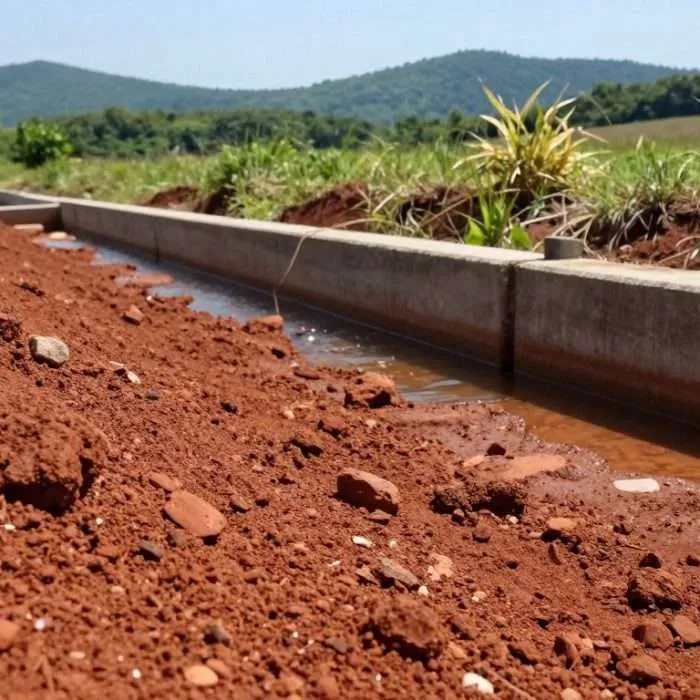
What if the best drainage fix begins before you dig? When a backyard slopes towards house walls, first check whether runoff reaches the foundation. Natural topography, soil erosion, and past landscaping choices can all create this problem.
A careful inspection helps you choose the right project. Mild grades may need fill dirt under quality topsoil, while larger slopes may call for retaining walls, terraces, or engineered work. Keep at least four inches of space between the top of the slope and the side of the house.
To prevent water from collecting near the foundation, combine grading, swales, downspout control, and erosion-resistant plants. These steps can move water away from the structure and help the slope away from the home. Benjamin Stapper of Wild Ridge Landscapes also notes that terraces and cascading water features can turn a landscape challenge into a useful design opportunity.
Before excavation, review Knox County property lines, buried utilities, and permit rules. A sound landscape plan saves time, protects the property, and supports lasting drainage.
Key Takeaways
- Check foundation runoff before selecting a drainage solution.
- Use fill dirt and topsoil for mild grade changes.
- Consider walls, terraces, or engineered work for steep grades.
- Maintain four inches between the grade and structure.
- Confirm utility, property-line, and permit requirements first.
What to Do When Your backyard slopes towards house

To prevent water from reaching the foundation, inspect the grade, watch for moisture signs, and trace each runoff path before changing the landscape. A quick review can reveal risks early and guide a practical drainage plan. For more repair ideas, see this guide to fixing a yard that slopes toward the.
Signs That Water Is Reaching the Foundation
After heavy rain, check for pooling, damp walls, musty odors, high basement humidity, cracks, or peeling finishes. Concrete and masonry can retain moisture before visible basement water appears, so hidden saturation deserves attention.
Why Natural Topography, Erosion, and Past Landscaping Matter
Natural topography, soil erosion, and earlier landscaping can change how runoff moves. Exposed roots, muddy channels, and shifted soil show that the slope is changing. Review drains, patios, additions, and grading work completed by the previous owner.
A side swale may redirect runoff, but its lowest point should not sit beside the foundation. Reports from hilly properties range from dry basements with effective side drainage to severe structural damage at the bottom of a hill. A timely landscape review helps protect vulnerable areas.
How Yard Grade Affects Water Flow and Foundation Risk

The grade sets the first path for water flow, but saturated soil can increase pressure below the surface. In a sloped area, runoff may collect beside the foundation, especially where older construction limits drainage.
“Grade starts the story; saturated soil determines how much pressure the structure must resist.”
A basement waterproofing professional who has inspected more than 3,000 homes has seen this pattern often. Some hilly homes date to the 1920s and include garages at basement level. These lower openings can receive concentrated runoff during storms.
Hydrostatic Pressure, Saturated Soil, and Basement Moisture
Wet soil becomes heavier and pushes against foundation walls. This hydrostatic pressure may contribute to settlement, cracked block, bowing walls, or other damage. Moisture can also enter concrete or block without visible flooding, causing humidity and musty odors.
A french drain, foundation drain, sump pump, swale, or buried downspout can lower risk. Yet no single drainage method fixes every grade or discharge defect. Surface water control and structural review must work together. Seek professional evaluation for movement, cracks, or persistent moisture instead of relying on cosmetic sealing.
Assess Drainage Before Changing Soil or Grade

Before moving soil, study how rain behaves across the site. This simple process can save time, protect property, and reduce costly rework. A grading and drainage guide can help with early planning.
Map Low Points, Runoff Paths, and Standing Water
Visit the yard during and after a strong storm. Mark low points, puddles, roof discharge, hardscape edges, outlets, and each water flow path. Note where runoff may cross property lines or reach a neighbor. Include the structure, grade changes, and areas within several feet of the foundation.
Check Utilities, Property Lines, and Permits
Mark public services, such as hydro, natural gas, and water. Also check private lines for irrigation, landscape lighting, and invisible pet fencing. Call Before You Dig and Click Before You Dig offer free utility-location requests. Submit one at least five full business days before excavation or grading work.
Check Knox County and local municipal rules before changing grade, adding a wall, or altering a drain system. Bylaws may control drainage along property lines. An owner’s project can redirect water, trigger neighbor disputes, or require an engineered plan. For related upkeep, review these hardscaping maintenance steps.
| Check | What to Record | Why It Matters |
|---|---|---|
| Storm behavior | Low points and runoff paths | Shows where water collects |
| Underground lines | Public and private utilities | Prevents excavation damage |
| Local rules | Permits and property limits | Supports compliant drainage work |
Regrade the Yard to Move Water Away From the House

Regrading can give runoff a clear route and reduce drainage problems. Start by marking the current grade, low spots, utility lines, and property limits. Then set the new slope before moving any soil. A mild backyard slope may need hand tools, while a larger change can require machinery and trained labor.
Use Fill Dirt, Topsoil, and a Consistent Slope
Use clean fill dirt for structural volume, shape, and drainage support. Compact each lift evenly so the soil does not settle or cause erosion. Add quality topsoil above it. Topsoil provides minerals and nutrients for grass, plants, and other landscaping.
Keep at least four inches of space between the slope’s high point and the house. This gap helps keep water away from the foundation edge. A planned grade also prevents runoff from crossing walkways or neighboring areas.
Protect the Foundation During Excavation
Shield foundation walls, outlets, buried lines, plants, and gravel areas before work begins. Heavy equipment needs safe access, and limited access can increase project time and cost. Retaining walls may need permits, engineering, and drainage behind them, especially when grade changes place added pressure on walls.
| Material or Step | Main Purpose | Key Precaution |
|---|---|---|
| Fill dirt | Builds stable volume | Compact in even layers |
| Topsoil | Supports plant growth | Place above fill dirt |
| Regrading | Routes runoff away | Protect utilities and walls |
Install Swales, Downspout Extensions, and Surface Drains

Start with roof runoff, then manage sheet flow across the yard. Downspout extensions send water away from the house instead of placing a concentrated stream beside the foundation. Keep outlets stable, open, and clear of property lines.
Direct Roof Water Away From the Foundation
Route each extension to a safe discharge area. Avoid low spots that may collect water at the base of a slope. Keep gravel, grates, buried pipes, and outlets visible enough for inspection and cleaning.
Build a Swale That Routes Runoff Around the Home
A swale is a shallow, planted, or stabilized channel. It gathers sheet flow and guides it around the side of the house. Shape the channel to support steady water flow without washing soil onto neighboring property.
Compare Surface Drainage Options for Knox County Properties
| Option | Best Source | Location | Main Concern |
|---|---|---|---|
| Extension | Roof runoff | Downspout outlet | Stable discharge |
| Swale | Sheet flow | Low side area | Vegetation care |
| Surface drain | Concentrated flow | Verified low point | Grate cleaning |
An experienced contractor should confirm grades, utility lines, outlets, and municipal rules. Bylaws govern drainage patterns along property lines. A French drain may suit wet soil, but every drainage system needs a lawful outlet and regular maintenance.
Use French Drains and Retaining Walls for Difficult Slopes
Some grade problems need more than surface grading. A French drain helps when seepage, saturated soil, or uphill runoff reaches the foundation side despite a well-shaped surface. It can protect the house when water continues moving below ground.
When a French Drain Is the Right Drainage Solution
A French drain uses perforated pipe, washed gravel, and filter fabric. The trench must follow a steady fall and connect to a reliable outlet. Regular cleaning keeps the system working. A skilled contractor can confirm whether this drainage solution fits the property.
How Retaining Walls Create Stable, Usable Areas
Retaining walls hold soil in place and create level space for terraces, gardens, patios, or pools. Drainage behind retaining walls lowers water pressure and helps limit wall movement, erosion, and damage. Complex walls may need special footings, engineering, or permits.
“Slopes can become terraces, cascading water features, or infinity-edge pool settings.”
With thoughtful landscape design, difficult grades can become useful features. Seek experienced contractors or engineers when walls approach a property boundary, support structures, or require major excavation.
Choose Erosion-Resistant Landscaping for Knox County
Smart planting can slow runoff, protect soil, and make a challenging yard more useful. Deep-rooted plants and ground covers hold a slope while allowing planned water flow to pass through. This approach supports drainage without creating a barrier that sends water toward the home.
Select Plants, Gravel, Mulch, and Ground Covers That Manage Runoff
Choose native or well-adapted plants that handle Knox County’s rain and changing seasons. Use mulch at a controlled depth around roots. It slows surface flow but should not form a dam. Place gravel at drain outlets, paths, and transition areas. Secure it so loose gravel cannot enter surface drains.
- Use ground covers to reduce bare soil and erosion.
- Combine planting areas, swales, and terraces to shorten runoff paths.
- Use stable hardscape to create safe, useful outdoor space.
- Keep gravel clear of grates and inspection points.
Thoughtful landscaping can shape gardens, terraces, decks, or cascading water features. Benjamin Stapper also identifies infinity-edge pools as a creative design option. Review any landscape plan near a property boundary to prevent sediment or concentrated runoff from reaching adjacent areas. See this guide to landscaping sloped terrain for more ideas.
Know When to Hire a Drainage Contractor or Engineer
Some warning signs call for expert review, not another quick repair. Hire a professional when a basement has recurring water, dampness, structural cracks, bowing walls, settlement, or damage after heavy rain.
A waterproofing professional who inspected more than 3,000 homes shows why site experience matters. A qualified contractor or engineer can assess the foundation, slope, discharge location, and drainage system before work begins.
Seek help for a retaining wall, major regrading, foundation-adjacent excavation, complex french drain, or difficult outlet. Landscape architects can coordinate planting, terraces, access, permits, and the wider project. Limited access can also add time and cost.
Request a written scope that lists grade, drainage outlets, utility locations, property effects, maintenance, schedule, and expected cost. Ask whether an engineered drainage solution, retaining walls design, or municipal approval is required. Different foundations and footings may need engineering where erosion threatens the site.
{"@context":"https://schema.org","@type":"FAQPage","mainEntity":[{"@type":"Question","name":"When should I hire a drainage professional?","acceptedAnswer":{"@type":"Answer","text":"Hire one for recurring water, dampness, cracks, settlement, or major excavation."}},{"@type":"Question","name":"Who can design a larger landscape project?","acceptedAnswer":{"@type":"Answer","text":"A contractor, engineer, or landscape architect can plan complex work."}}]}
| Warning Sign | Recommended Specialist | Reason |
|---|---|---|
| Recurring moisture or wall movement | Waterproofing professional or engineer | Checks foundation risk |
| Retaining wall or major excavation | Qualified contractor or engineer | Plans safe structural work |
| Large landscape project | Landscape architect | Coordinates design and approvals |
Conclusion
A lasting Knox County drainage plan starts with a site map, utility checks, and confirmation of property lines and permits. This step protects the backyard before any grade changes begin.
Use fill dirt, topsoil, a steady grade, swales, downspout extensions, and surface drains for distinct runoff needs. French drains and retaining walls need stable construction, proper materials, and coordinated outlets. Difficult slopes deserve professional review, especially near a wall or foundation.
Erosion-resistant landscaping, mulch, ground covers, and gravel help hold soil while a practical design keeps the landscape attractive and usable. Call an experienced contractor or engineer when flooding returns, moisture persists, settlement appears, or cracked walls raise concern. With careful planning, water moves away from the house, and the property gains safe outdoor space.